March 13, 2026
Concrete leveling is an essential maintenance process that addresses issues related to uneven concrete surfaces. By restoring sunken slabs and correcting shifting surfaces, homeowners can prevent potential structural damage to their property. When walkways, driveways, patios, or garage floors begin to settle, the problem often signals underlying soil movement or moisture issues beneath the slab. If left unaddressed, these problems can gradually worsen and affect surrounding structures. We will explore the various reasons why concrete leveling is crucial for maintaining the structural integrity, safety, and long-term durability of your property.
Understanding the Basics of Surface Leveling
What Is Slab Lifting?
Slab lifting is a process used to correct uneven concrete surfaces by raising sunken areas back to their original height. It typically involves injecting specialized materials beneath the slab to fill voids and stabilize the soil underneath. As the material expands or settles, it gently lifts the concrete back into position. This technique restores the functionality of driveways, sidewalks, and patios without requiring full slab replacement. Uneven concrete can occur due to soil erosion, improper installation, or natural settling over time. Many homeowners turn to concrete leveling as an efficient solution for restoring these surfaces while avoiding costly reconstruction.
Causes of Uneven Concrete Surfaces
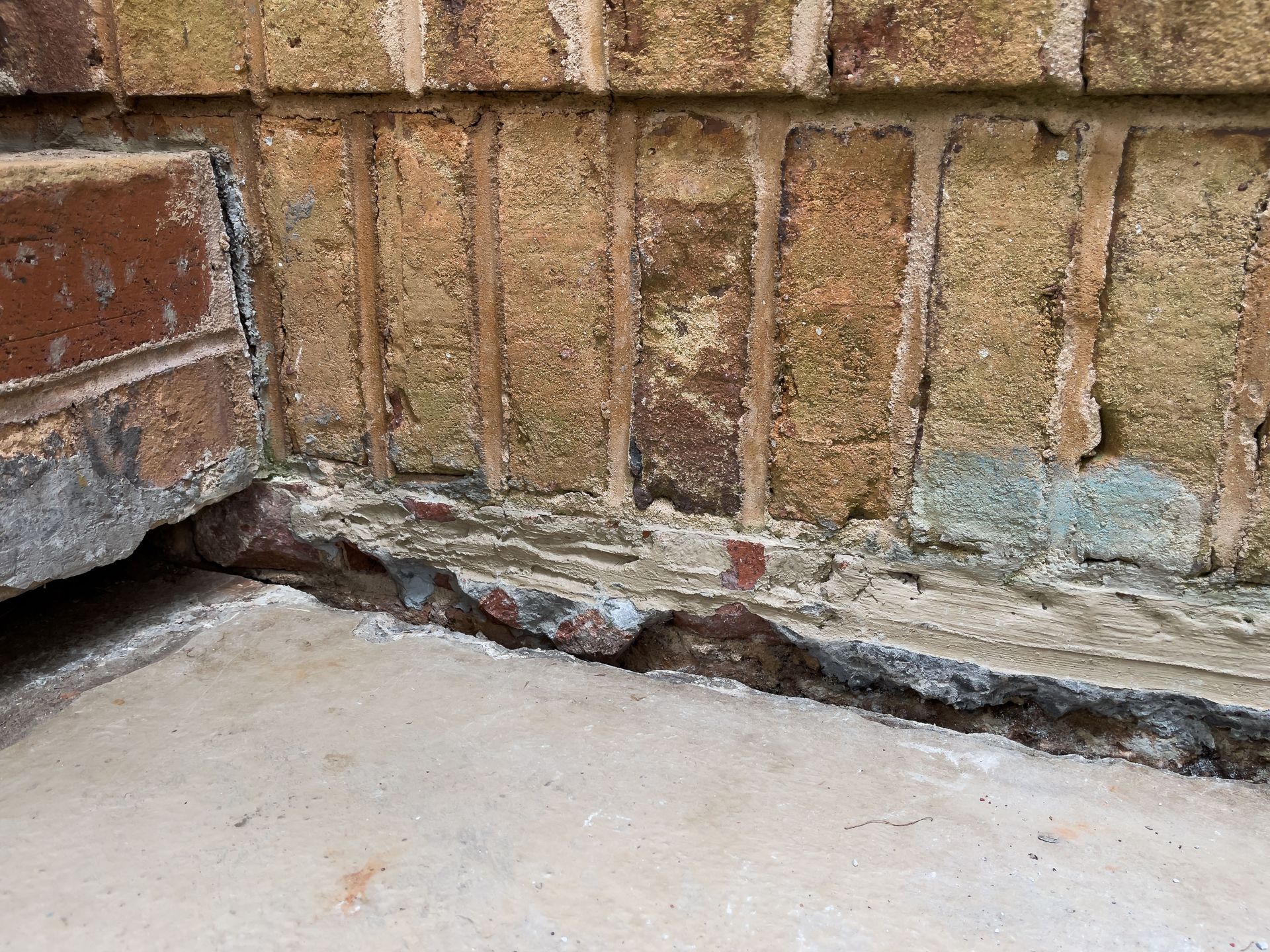
Uneven concrete surfaces are primarily caused by changes in the soil beneath the slabs. Soil erosion and compaction discrepancies often create empty spaces under concrete, resulting in sinking or shifting. Additionally, tree roots may grow beneath slabs and exert pressure that lifts or cracks the concrete. Water infiltration can also wash away supporting soil, undermining stability over time. Freeze-thaw cycles in colder climates may contribute to expansion and contraction beneath slabs, worsening the issue. Recognizing these causes allows homeowners to identify potential problems early and seek corrective solutions such as concrete leveling before the damage spreads.
The Importance of Addressing Uneven Concrete
Ignoring uneven concrete can result in severe structural issues over time. Sunken slabs may create tripping hazards, water pooling, and additional cracking across the surface. These conditions can extend to other areas of the property, causing a chain reaction of damage that affects nearby foundations or structural supports. Addressing the problem promptly helps preserve both safety and property value. In addition to preventing deterioration, restoring level surfaces improves curb appeal and functionality.
Common Repair Methods
The two most common repair techniques are mudjacking and polyurethane foam injection. Mudjacking involves pumping a cement-based slurry beneath the slab to lift it back into place. Polyurethane injection uses lightweight expanding foam that fills voids and stabilizes soil more quickly. Both techniques restore surfaces with minimal disruption compared to full replacement. According to Foundation Support Specialists, slab lifting methods can cost 50% to 80% less than complete concrete replacement. While costs vary depending on the project size and local materials, many property owners rely on concrete leveling because it offers an efficient and cost-effective repair solution.
The Role of Concrete Leveling in Preventing Foundation Issues
Impact of Uneven Surfaces on Foundation Stability
Uneven concrete can directly influence the stability of a home's foundation. When slabs sink or shift, they can place uneven pressure on nearby structural components. This misalignment may lead to cracks or separation within foundation walls if not corrected. Over time, minor slab movement can escalate into major structural concerns. Maintaining level exterior surfaces helps distribute weight evenly and supports the surrounding structure. In many situations, concrete leveling helps stabilize these surfaces before structural problems develop.
How Surface Restoration Prevents Cracks
Correcting sunken slabs helps reduce stress on surrounding structural elements. When surfaces are restored to a uniform level, pressure is redistributed evenly across the slab and supporting soil. This balanced load prevents localized stress points that can lead to cracking. Regular inspections of outdoor concrete areas allow homeowners to detect early signs of settling or separation. Prompt repairs can prevent cracks from spreading toward the home’s foundation.
The Connection Between Slabs and Structural Integrity
Concrete slabs around a home—including driveways, patios, and walkways—play an important role in protecting the foundation. When these surfaces slope incorrectly or sink in certain areas, water may drain toward the house instead of away from it. Excess moisture near the foundation can weaken soil and increase the risk of structural movement. Proper grading and surface alignment help direct water safely away from the property. Stabilizing these exterior areas through professional repairs contributes to the long-term durability of the entire structure.
Foundation Repairs vs. Surface Restoration
Foundation repair projects are often complex and expensive, requiring specialized structural work. In contrast, correcting uneven slabs is typically quicker and far more affordable. Addressing minor settling early prevents damage from reaching deeper structural components. Preventive maintenance allows homeowners to resolve issues before they evolve into major repairs. This proactive strategy reduces both repair costs and potential disruption to the home.
Examples of Preventive Success
Many homeowners have prevented costly structural repairs by addressing slab settlement early. For example, correcting a sunken garage floor can stop cracks from extending into nearby foundation walls. Similarly, repairing a sloped driveway can redirect rainwater away from the home, preventing soil erosion around the foundation. These practical examples demonstrate how early intervention protects the structural health of a property.
Protecting Driveways and Walkways Through Surface Repair
Common Problems With Sunken Driveways
Sunken driveways can create a variety of problems for homeowners. Depressions may make it difficult for vehicles to enter or exit safely and can cause damage to tires or suspension systems. These low areas also tend to collect rainwater, accelerating surface deterioration and erosion beneath the slab. Over time, the problem may worsen and spread to adjacent sections of the driveway. Repairing uneven areas early with concrete leveling helps maintain smooth access and prevents further structural decline.
The Risk of Injuries and Accidents
Uneven walkways and driveways significantly increase the likelihood of trips and falls. These hazards pose particular risks for children, elderly individuals, and visitors unfamiliar with the property layout. Property owners may also face liability concerns if someone is injured due to unsafe surfaces. Restoring level walking paths helps eliminate these risks and creates a safer environment for everyone who visits the home.
Improving the Appearance of Outdoor Surfaces
Level surfaces enhance the visual appeal of a property’s exterior. Cracked or uneven slabs can make an otherwise well-maintained home appear neglected. By restoring smooth lines and even surfaces, homeowners create a cleaner and more welcoming outdoor environment. Improved curb appeal can also make a strong impression on potential buyers if the home is placed on the market.
Long-Term Durability of Driveway Surfaces
Repairing sunken areas early helps extend the life of concrete surfaces. When slabs are stabilized and supported properly, they experience less stress from weight, weather, and daily use. This improved stability prevents additional cracking and reduces the likelihood of future sinking. Regular inspections allow homeowners to address minor changes before they evolve into larger structural concerns.
Potential Cost Savings
Repairing uneven slabs is often far more affordable than replacing entire sections of concrete. According to Foundation Support Specialists, lifting and stabilizing existing slabs can cost significantly less than full replacement. This financial advantage allows homeowners to maintain their property without exceeding budget limits. Preventive repairs also reduce the likelihood of emergency repairs later.
By addressing uneven surfaces promptly, homeowners can prevent costly repairs, protect their foundation, and improve the overall durability of their property. Investing in routine inspections and timely repairs ensures that outdoor surfaces remain stable and functional for years to come. Contact Custom Insulation & Supply Inc today to get connected with concrete services.