September 18, 2026
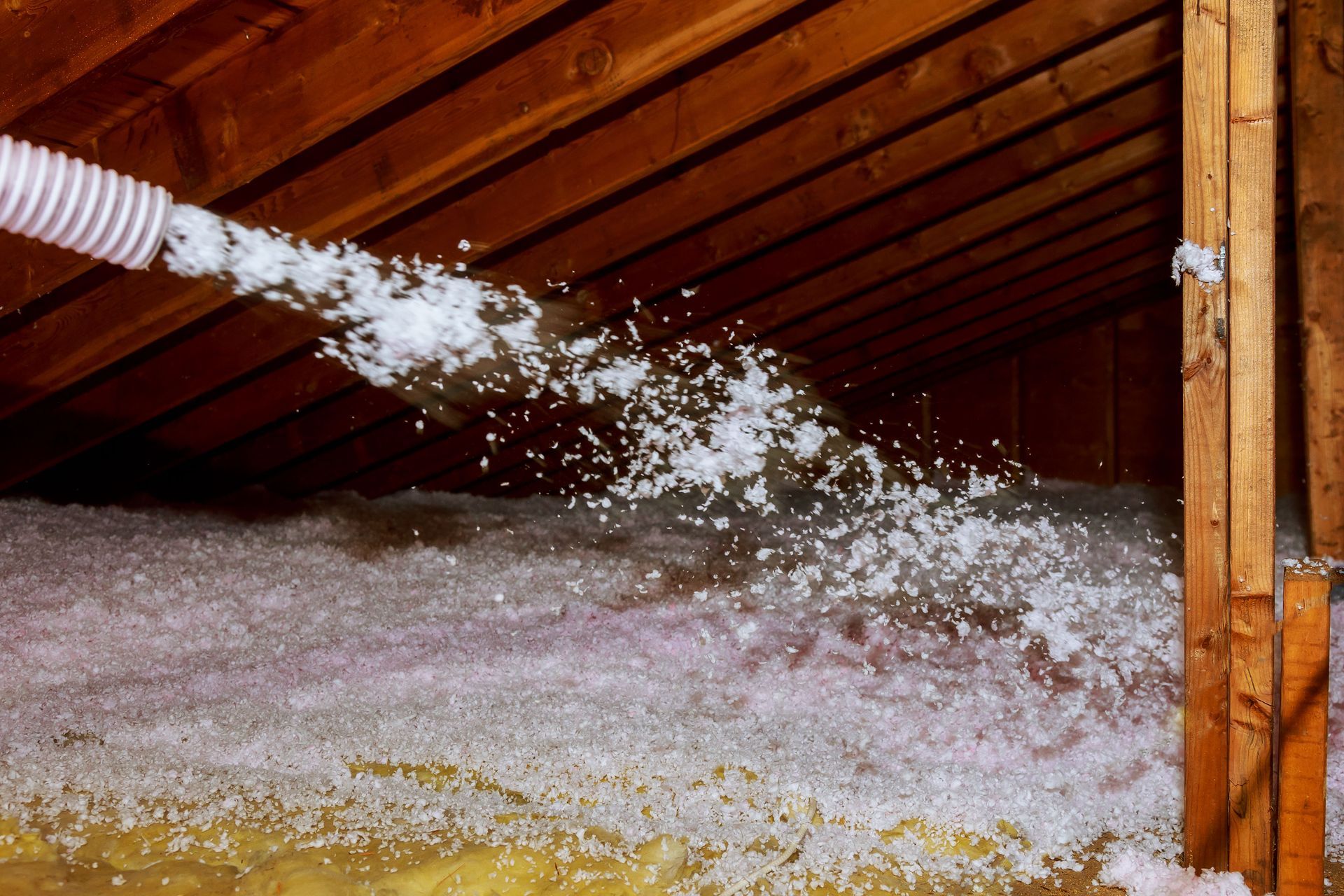
In an era of rising utility bills and shifting environmental standards, modern homeowners are constantly seeking practical methods to optimize household energy consumption. While high-efficiency appliances and smart climate control systems dominate popular home improvement conversations, the real baseline of thermal performance rests at the top of your house. Proper attic insulation serves as a critical barrier against heat loss during chilly winters and unwanted heat absorption throughout scorching summers. Without a well-sealed thermal envelope above your living space, conditioned air constantly leaks out while outside weather conditions force your heating and cooling equipment to work overtime. Modernizing your approach to energy conservation starts by prioritizing proper attic insulation to stabilize indoor temperatures, lower monthly expenses, and protect overall structural longevity.
Creating an Airtight Thermal Envelope Above Living Spaces
Understanding how heat moves throughout a structure is key to evaluating overall energy management. Warm air naturally rises through conditioned living areas, escaping through tiny gaps, cracks, and unsealed ceiling penetrations into an under-insulated upper space during winter. Conversely, extreme heat build-up under roof decking during warm months radiates downward into bedrooms and hallways, driving indoor temperatures up. Installing high-performing attic insulation slows down this thermal transfer dramatically, creating a balanced thermal barrier that traps comfortable air where it belongs. By establishing a robust defense against natural heat transfer, your home maintains consistent temperatures without requiring constant heating or cooling system cycling.
Reducing HVAC System Stress and Ongoing Maintenance Costs
When an upper thermal barrier is degraded, uneven, or insufficient, heating and air conditioning units must operate continuously to maintain target thermostat settings. Constant cycling places immense mechanical strain on blowers, compressors, and heat exchangers, leading to frequent system breakdowns and premature equipment failure. Integrating properly installed attic insulation lightens the overall operational workload on mechanical equipment by slowing indoor temperature drops and rises. When heating and cooling equipment runs efficiently on shorter, balanced cycles, components experience far less wear and tear over time. Protecting your equipment from continuous strain extends its operational lifespan, saving thousands of dollars on premature system replacements and emergency repair bills.
Unlocking Significant Long-Term Monthly Utility Savings
According to Energy Star, homeowners can save an average of 15% on heating and cooling costs (or an average of 11% on total energy costs) by air sealing their homes and adding insulation in attics, floors over crawl spaces, and accessible basement rim joists. These measurable financial savings demonstrate why upgrading your upper building envelope remains one of the most cost-effective property improvements available. Lowering your monthly utility bills creates ongoing financial returns that quickly offset the initial cost of installing new attic insulation. Rather than allowing energy dollars to escape through the roof decking every season, proactive thermal improvements convert waste into immediate, recurring savings on monthly power and fuel bills.
Eliminating Drafts and Hot Spots for Maximum Home Comfort
Temperature fluctuations between different rooms or levels are a classic indicator of an under-insulated upper structure. Upstairs bedrooms often feel stifling and hot during summer afternoons while remaining drafty and cold throughout winter nights. Upgrading your attic insulation restores temperature consistency across every square foot of your living space, eliminating uncomfortable hot and cold spots. Balanced thermal resistance prevents air stratification, ensuring that air delivered by your HVAC system stays at a stable, comfortable temperature throughout the home. Maintaining even indoor conditions enhances daily living comfort for your family without forcing you to constantly tweak thermostat settings.
Preventing Winter Ice Dams and Roof Decking Damage
In colder regions, inadequate upper thermal protection contributes directly to severe winter roof damage caused by ice dam formation. When heat escapes from poorly insulated living spaces into an unheated upper area, it warms the underside of the roof deck, melting snow on top of the shingles. This melted snow trickles down toward the unheated eaves, where it freezes into solid ice ridges, trapping water underneath shingles and causing leaks inside ceiling cavities. Installing proper attic insulation keeps heat inside living areas and prevents uneven roof surface heating. Blocking excessive heat loss through the upper structure keeps roof surfaces at uniform temperatures, eliminating destructive ice dams and protecting structural roof decking.
Controlling Moisture Infiltration and Mold Vulnerabilities
Uncontrolled warm, moist air rising from kitchens and bathrooms into a cold upper structure creates ideal conditions for condensation build-up. Excess moisture accumulating on wooden rafters, ceiling joists, and roof sheathing fosters rapid mold growth, wood rot, and structural decay. Premium attic insulation combined with proper air sealing restricts moist air transfer, protecting structural framing materials from dampness. Regulating moisture movement preserves indoor air quality while preventing costly timber remediation or roof deck rebuilding projects. Preventing internal humidity accumulation safeguards both the structural integrity of your property and the health of its occupants.
Dampening Exterior Noise Pollution for Quiet Living
An overlooked advantage of updating upper structural materials is the significant improvement in residential acoustic performance. High-density attic insulation acts as a natural sound barrier, absorbing incoming sound waves before they penetrate interior ceilings. Outside noise sources like heavy traffic, low-flying aircraft, barking neighborhood dogs, and intense rainstorms are muffled effectively. Enhancing sound attenuation through high-grade attic insulation creates a quieter, more serene indoor atmosphere for working, relaxing, and sleeping. Reducing external noise pollution dramatically improves daily home comfort, especially in dense urban environments or suburban areas near busy thoroughfares.
Boosting Property Value and Modern Home Buyer Appeal
Today's home buyers actively seek energy-efficient properties equipped with low operating costs and verified building improvements. Prospective buyers recognize that updated attic insulation translates to immediate comfort and lower monthly utility commitments upon moving in. Home inspections frequently highlight upper thermal coverage, making verified energy efficiency upgrades a compelling selling point during real estate transactions. Investing in modern attic insulation increases overall property marketability and appraised value while helping your listing stand out against outdated, energy-inefficient homes. Demonstrating proactive maintenance and low energy costs builds buyer confidence and speeds up sales negotiations.
Shrinking Residential Carbon Footprints for Environmental Health
Energy consumption inside residential structures accounts for a substantial percentage of total power grid demand and greenhouse gas emissions. Optimizing upper thermal performance reduces the amount of fossil fuels burned to generate electricity or gas heat for your home. Upgrading your attic insulation lowers daily fuel consumption, making your household significantly cleaner and more environmentally friendly. Lowering overall residential energy demand reduces environmental strain on regional power grids during peak summer heatwaves and winter freezes. Taking action to optimize your thermal envelope supports broader environmental conservation initiatives while promoting sustainable community living standards.
Securing Financial Rebates and Government Energy Incentives
Federal, state, and local utility initiatives frequently offer attractive financial rebates, tax credits, and grants to encourage energy-efficient home renovations. Installing high-performing attic insulation routinely qualifies property owners for substantial financial incentives that reduce upfront project costs. Federal energy tax credits allow homeowners to claim percentages of material expenses directly against annual income tax liabilities. Additionally, local electric and gas utilities often provide direct cash-back incentives upon proof of qualified installation. Leveraging these available financial programs makes upgrading your attic insulation even more affordable, accelerating your return on investment through immediate savings.
Rethinking home energy efficiency requires looking beyond superficial upgrades and addressing the core building envelope that protects your property. Modernizing your upper thermal protection reduces monthly energy costs, protects structural components from moisture damage, and ensures year-round comfort across every room in your home. By taking proactive steps to improve thermal performance, you safeguard your mechanical systems from premature wear while making a positive environmental impact. Do not continue letting your hard-earned money leak out through an under-insulated roof structure. Take control of your home energy performance today by reaching out to Custom Insulation & Supply Inc to schedule a comprehensive assessment and secure your property's long-term energy efficiency.