March 20, 2026
Concrete is one of the most durable and commonly used construction materials globally. However, like all materials, it requires regular maintenance to ensure its longevity and structural integrity. Timely repairs are essential not just for aesthetic reasons but also for safety and prolonged functionality. Ignoring necessary repairs can lead to more significant problems down the line, potentially jeopardizing the structure's integrity. In this article, we will explore key indicators that signal it's time to consider concrete repairs or a concrete lifting service.
Proactively maintaining concrete surfaces can significantly extend their lifespan. According to This Old House, most concrete slabs last 30–40 years and can last up to 100 years if properly installed and maintained. The lifespan largely depends on various factors, including the quality of the installation, the purpose of the concrete, and environmental conditions.
Knowing the signs of deterioration in concrete can save property owners significant time and money. While some indicators are visible, others may require closer inspection or professional assessment. Understanding these signs is crucial to ensuring the continued safety and usability of concrete structures. Let’s delve into six specific indicators that show it's time for a concrete repair.
1. Visible Cracks
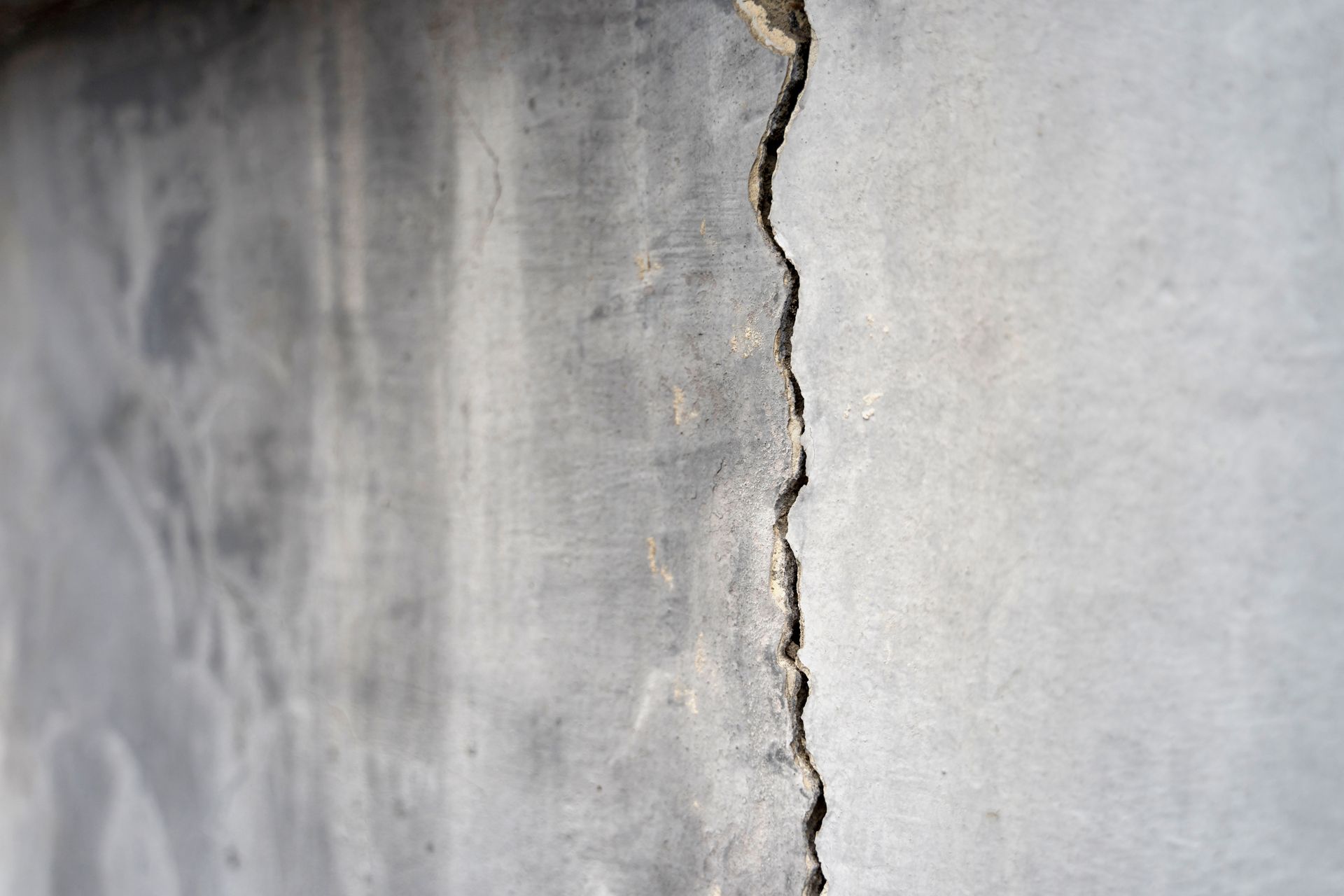
Cracks in concrete surfaces can arise from a multitude of factors, each impacting the structure's durability. Environmental conditions such as extreme temperatures and moisture variations often contribute to crack formation. Additionally, factors like settling, seismic activity, and inadequate subbase compaction can cause concrete to crack. Poorly mixed or improperly cured concrete further exacerbates cracking. Understanding these causes helps both homeowners and professionals anticipate and prevent damage before it occurs. In some cases, timely intervention with a concrete lifting service can help address uneven or sunken surfaces before cracks worsen.
Cracks in concrete can vary significantly in appearance and severity. Hairline cracks are usually cosmetic and may occur during the concrete curing process. Structural cracks, however, indicate deeper issues and can threaten the structure's stability. Shrinkage cracks typically form as concrete loses moisture, but may not always necessitate immediate repair. Knowing the type of crack is vital in determining the necessary course of action. Different cracks require tailored repair approaches, and integrating a concrete lifting service can be an effective solution for areas where settling has caused misalignment or sinking.
2. Uneven Surfaces
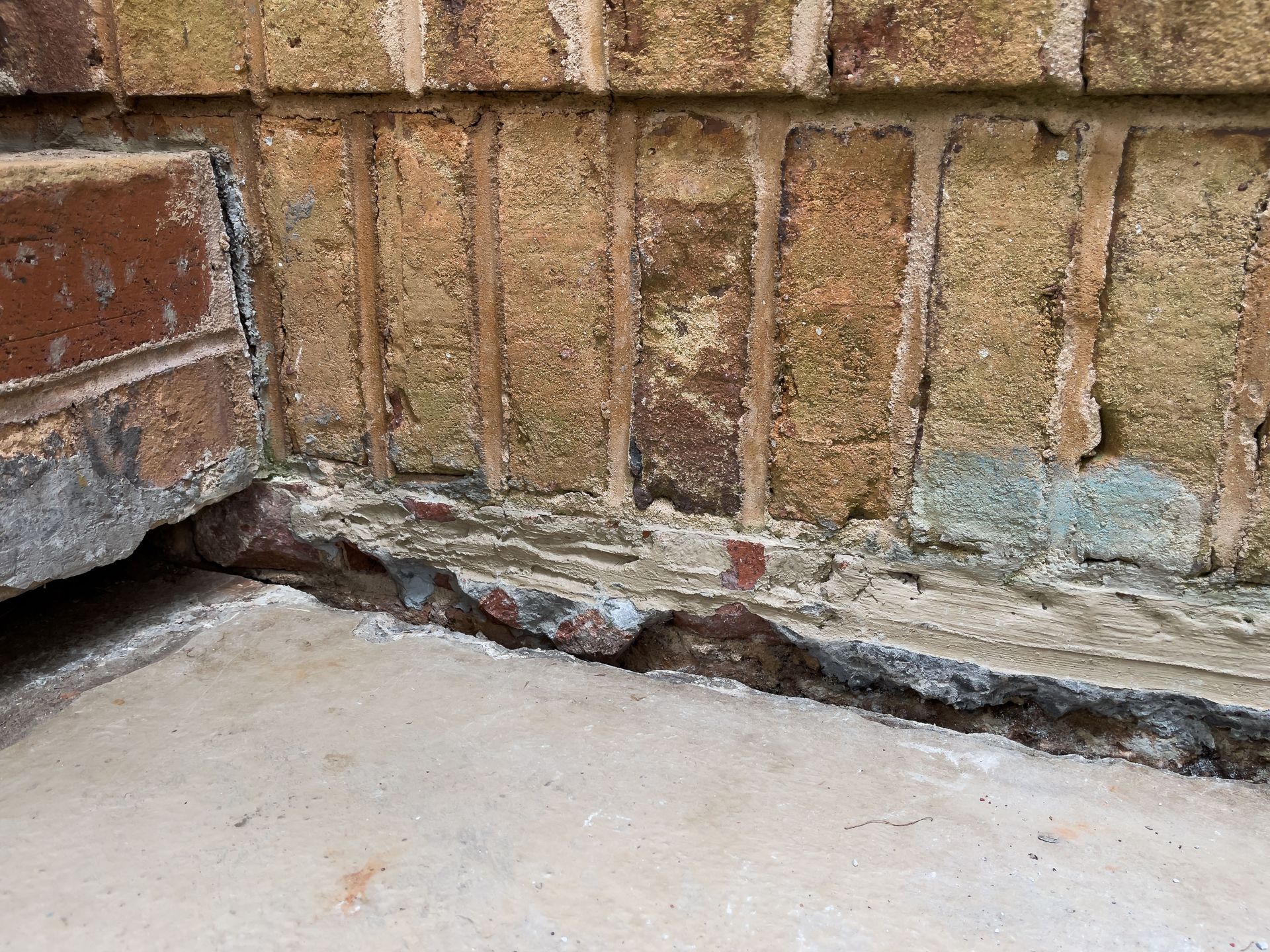
Uneven concrete surfaces often result from a variety of factors that affect the structure's foundational integrity. Poor installation practices, such as inadequate leveling during the pouring process, can lead to uneven surfaces. Soil movement, caused by freeze-thaw cycles or inadequate drainage, further contributes to the shifting and settling of the concrete. Natural wear and tear over time can accentuate these irregularities. Understanding the root causes of unevenness can guide preventive measures in both existing and future installations. In many cases, addressing these issues with a professional concrete lifting service can restore the surface and prevent further damage.
Detecting uneven surfaces involves both visual inspection and practical testing. Subtle sloping or tilting, pooling water, and visible cracks are common indicators of unevenness. One can also employ a spirit level or string line to assess the flatness of a surface. Professionals might use more advanced tools like laser levels for accurate detection. Identifying these imperfections early is crucial for timely intervention, and a concrete lifting service can be an effective solution for correcting low spots or sunken areas before they worsen, ensuring safety and longevity.
3. Water Pooling
Water pooling on concrete surfaces is commonly caused by inadequate drainage and improper sloping. Poor site preparation or design failures during initial construction can lead to these issues. Uncontrolled runoff from surrounding areas further compounds the problem. Seasonal weather variations, including heavy rainfall or snowmelt, exacerbate water accumulation. Understanding these factors allows property owners to target prevention and repair efforts effectively. In many cases, correcting low spots with a concrete lifting service can help eliminate standing water and restore proper drainage.
Spotting water pooling might seem straightforward, yet ensuring comprehensive detection often requires additional diligence. Visible puddles on flat surfaces or recurrent moisture marks are primary indicators. A water hose test can aid in replicating and identifying problematic low points. Professionals might employ infrared cameras or moisture meters for hidden moisture detection. Identifying the extent and pattern of water pooling aids in diagnosing root causes and implementing targeted solutions, and utilizing a concrete lifting service can provide a long-term fix by leveling uneven areas and preventing future accumulation.
4. Discoloration
Discoloration in concrete surfaces often arises from various environmental and chemical interactions. Weathering and exposure to ultraviolet light can alter the concrete's hue over time. Staining from dirt, oil, or organic materials can cause localized color changes. Chemical reactions, such as efflorescence, produce white mineral deposits on the surface. Understanding these causes aids in implementing preventive strategies and effective cleaning methods.
Concrete surfaces can suffer from a variety of stains, each requiring specialized treatment. Rust stains result from metal objects or reinforcements oxidizing and leaching onto the surface. Oil stains from vehicles or machinery can saturate the concrete matrix. Organic stains from leaves or algae not only discolor the surface but can also pose slip hazards. Identifying the stain type is essential for selecting effective removal techniques and preserving the concrete's appearance.
5. Failing Sealant
Sealants play a critical role in protecting concrete surfaces from moisture and chemical exposure. Over time, signs of sealant failure become apparent through noticeable symptoms such as cracking, peeling, and loss of adhesion. Failing sealants result in visible gaps, allowing water and debris to penetrate the concrete surface. Identifying these signs early helps prevent more significant damage to the concrete and its underlying structures. Properly maintaining sealants can extend the concrete's lifespan and preserve its functionality.
Sealants serve as a protective barrier that enhances the resilience and longevity of concrete surfaces. They guard against water intrusion, chemical exposure, and surface wear, mitigating risks such as spalling and cracking. By maintaining the sealant's integrity, property owners can achieve optimal performance from their concrete installations. Long-lasting, well-applied sealants reduce maintenance requirements and extend the lifespan of concrete surfaces significantly. As such, their role is indispensable in effective concrete care and preservation strategies.
6. Spalling
Spalling in concrete manifests as flaking, chipping, or crumbling of the surface, often due to freeze-thaw cycles or corrosion. While it may initially appear cosmetic, spalling can significantly impair structural integrity if left unaddressed. Concrete surfaces subjected to repetitive freeze-thaw cycles absorb moisture, leading to expansion and eventual surface deterioration. Corrosion of embedded metal reinforcements exacerbates concrete spalling, impacting stability and appearance. Understanding these causes is crucial to implementing preventive measures effectively. In some cases, addressing uneven or compromised areas with a concrete lifting service can help stabilize the surface and prevent further spalling.
Early detection of spalling involves paying attention to visible surface imperfections. Look for surface inconsistencies, such as cracks or chips, that may suggest initial spalling. Changes in surface texture or localized discoloration may also serve as indicators. Regular inspections and maintenance reviews can catch these warning signs before severe deterioration occurs. Taking prompt corrective action, including employing a concrete lifting service when necessary, helps protect the concrete's appearance and extend its service life.
Unchecked spalling poses significant risks to concrete structures, potentially compromising both aesthetics and structural safety. Surface damage impairs durability, increasing the potential for further moisture penetration and freeze-thaw cycles. Spalling also exposes reinforcement bars, making them susceptible to rust and corrosion, which weakens the entire structure. Over time, spalling can lead to costly repairs and replacement needs. Addressing spalling through regular inspection and timely repairs mitigates these risks and preserves structural integrity.
Regular inspection and timely repair of concrete surfaces are critical to maintaining their integrity, safety, and functionality. Early detection and intervention prevent minor issues from escalating into costly and extensive repairs. By understanding the six key indicators outlined in this article, property owners can better maintain their concrete structures. Whether dealing with cracks, uneven surfaces, or other signs of wear, proactive management ensures long-lasting performance. Informed maintenance strategies not only safeguard your investment but also enhance the lifespan and appearance of your concrete installations.
Don't wait for minor concrete issues to become major problems—contact Custom Insulation & Supply Inc today for a professional concrete lifting service. Our experts can restore uneven or sunken surfaces, protecting both the safety and longevity of your property.