May 1, 2026
Concrete lifting, also known as slab jacking or mudjacking, is an innovative solution to uneven and sunken concrete surfaces that offers a fast and efficient alternative to complete concrete replacement. This article explores the process, benefits, and applications of concrete lifting in restoring sunken concrete slabs quickly and efficiently.
Understanding the Causes of Sunken Concrete Slabs
Poor Soil Conditions
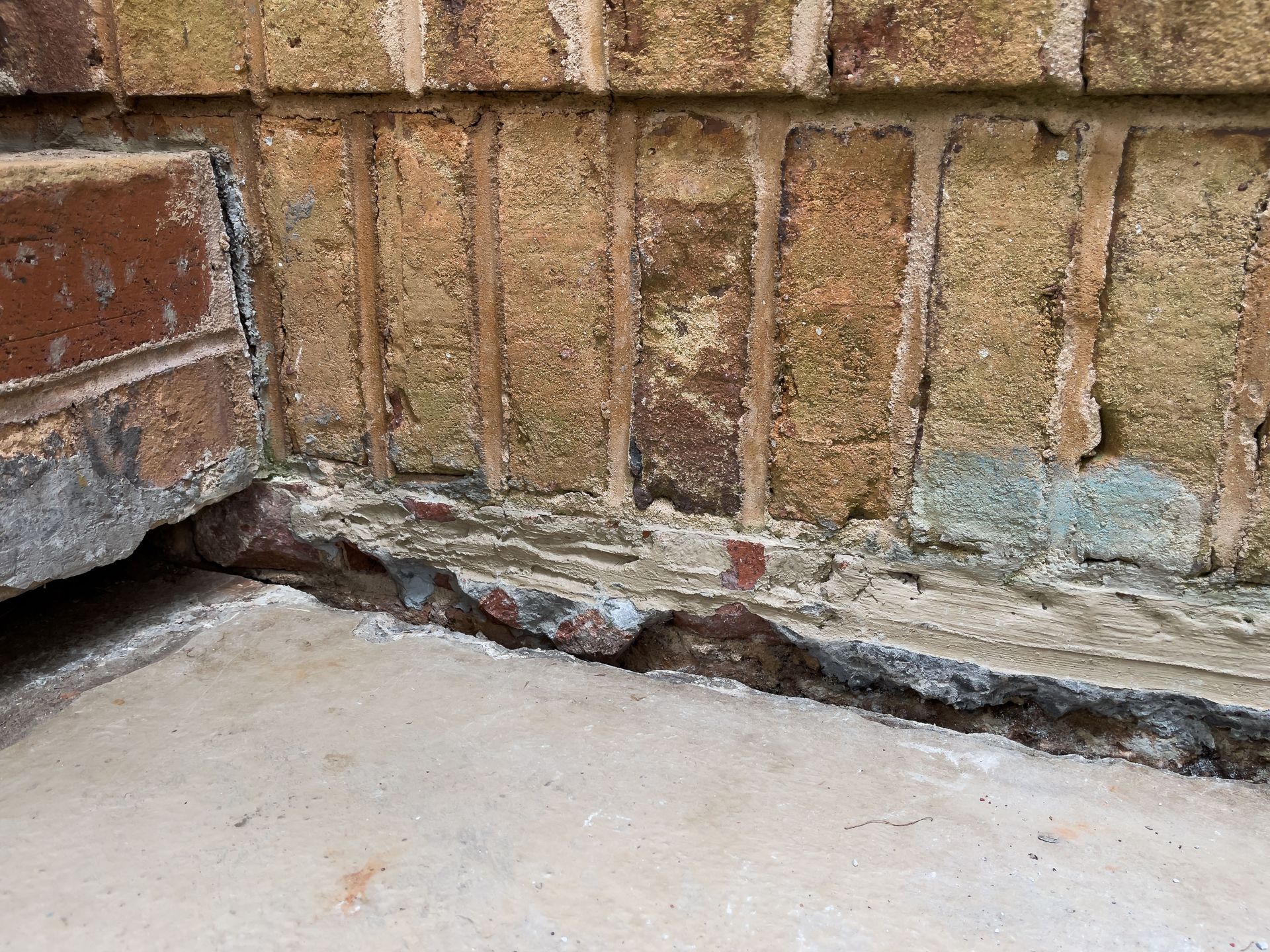
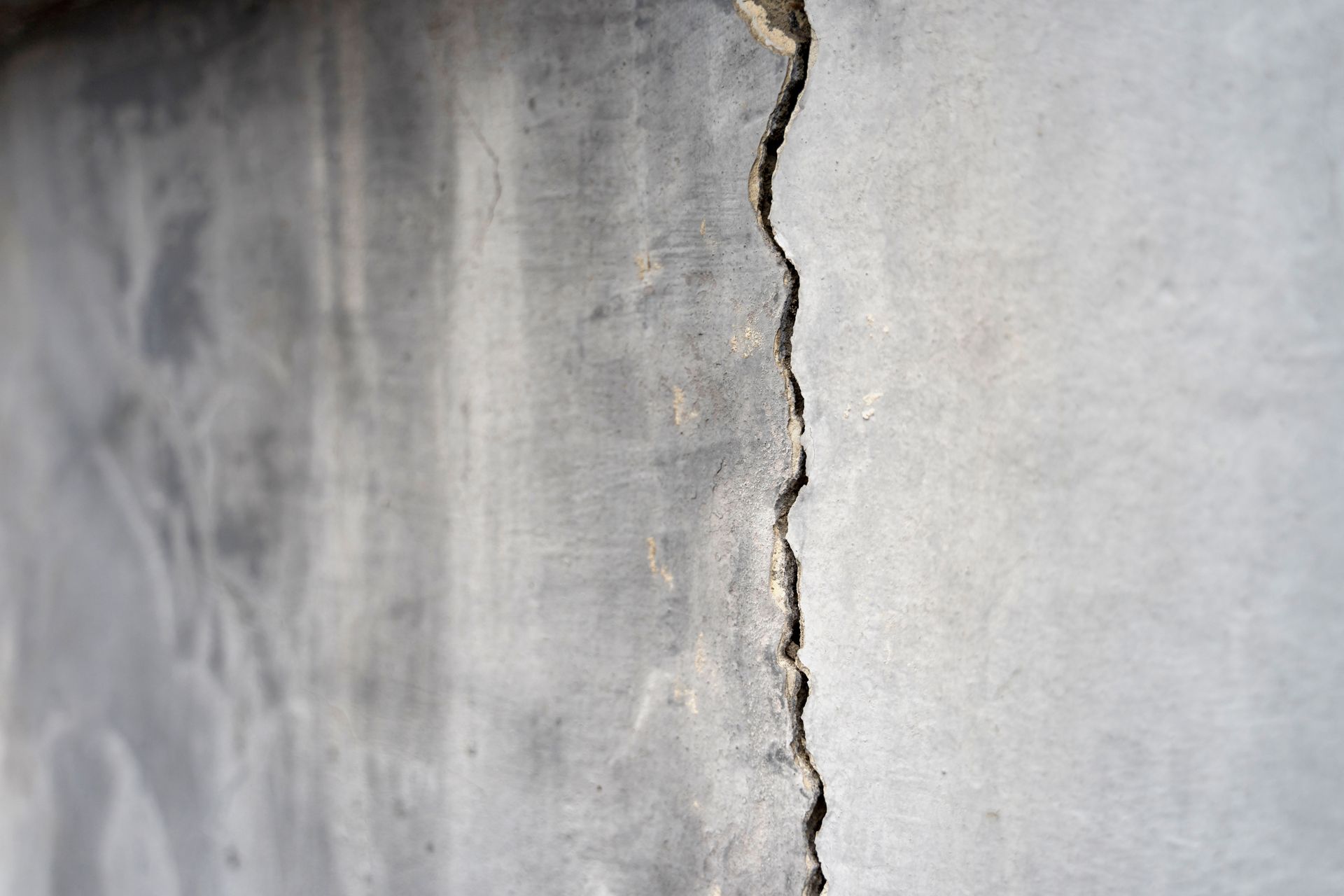
Poor soil conditions can significantly impact the stability of concrete slabs. Soils high in clay content can expand and contract significantly with moisture changes, leading to uneven settling. When these soil shifts occur, they can cause the concrete above to crack or sink. A lack of proper soil compaction beneath the slab during installation can also exacerbate these issues. Understanding the type and preparation of soil is crucial in preventing future concrete sinking.
Water Erosion and Drainage Issues
Water is a fundamental cause of erosion beneath concrete slabs. Inadequate drainage systems allow water to collect and seep beneath the slabs, washing away the supporting soil. Over time, this erosion compromises the slab's integrity, causing it to sink and crack. Managing water effectively through proper drainage solutions can mitigate this risk significantly. Regular inspections of drainage systems can prevent long-term problems.
Compaction Problems
Compaction issues are a critical factor in the stability of concrete installations. Incomplete or ineffective soil compaction before pouring the concrete can result in uneven settling. This leads to voids or air pockets that weaken the support structure. As the concrete remains unsupported or poorly supported, it is prone to sink and developing cracks. Thorough compaction using the right equipment and techniques is essential to ensure longevity.
Benefits of Concrete Lifting Over Replacement
Cost-Effectiveness
One of the most compelling advantages of concrete lifting is its cost-efficiency. Replacing a concrete slab entirely often involves high labor and material costs. However, lifting drastically reduces the need for new materials and requires less labor. According to Fixr, the cost to level concrete for a slab can range from $1.80 to $25 per square foot. Such competitive pricing, compared to full replacements, makes lifting an attractive option for property owners seeking budget-friendly repair solutions.
Time Efficiency
Concrete lifting serves as a swift alternative compared to the traditional route of removing and replacing slabs. The lifting process, thanks to modern technologies like polyurethane foam injection, often concludes in just a day, minimizing downtime for homeowners or businesses. Such a quick turnaround means that disrupted areas are back to functional use rapidly. In contexts like busy commercial spaces or essential residential areas, this speed is invaluable. Ensuring minimal disruption helps maintain the property's usability without lengthy inconvenience.
Minimal Disruption
The process of lifting concrete slabs generates significantly less mess and noise compared to full replacements. Because there's no need to demolish the existing slab, the adjacent landscape and structures experience little to no disturbance. The lifting process is less invasive, contributing to sustainability by producing minimal waste. This aspect is particularly beneficial in eco-conscious or densely populated areas. By minimizing disruptions, the process protects both the environment and the peace of the neighborhood.
Applications of Concrete Lifting
Residential Driveways and Sidewalks
Concrete lifting technologies are extensively applied within residential environments to restore driveways and sidewalks. Over time, these areas are prone to settling and cracking due to soil movement, root growth, and weather conditions. Restoring their level and safety with lifting methods helps mitigate trip hazards and prevent water drainage issues. The preservation of a home's curb appeal and surface functionality is paramount for homeowners. Choosing concrete lifting over replacement avoids the inconvenience of fully removing and repouring these critical pathways.
Commercial Parking Lots
Commercial spaces, especially parking lots, often endure a high volume of wear and tear due to continuous vehicular traffic. This extensive use can lead to uneven settling, drastically impacting the surface's functionality and appearance. Concrete lifting provides a rapid and cost-effective solution to address these issues by leveling sunken areas and preventing further damage. The minimal disruption ensures that businesses don't suffer from prolonged closures or safety concerns. Regular maintenance using these methods enhances the durability and performance of commercial parking facilities.
Industrial Warehouse Floors
Within industrial settings, warehouse floors carry heavy loads and handle continuous operational activities. Any unevenness or sinking can seriously affect workflow efficiency and equipment usability. Concrete lifting ensures these floors remain level and stable, optimizing operations by reducing risks associated with unstable surfaces. Addressing these issues via lifting approaches is quicker and less disruptive than full replacement, maintaining crucial productivity in such environments. An even floor surface also minimizes wear and tear on machinery, extending equipment lifespan.
Choosing a Professional Concrete Lifting Service
Checking Credentials and Experience
When selecting a concrete lifting service, verifying the provider's credentials and experience is crucial. Established professionals with a proven track record and industry certifications possess the expertise required to deal with various foundation issues. Ideally, prospective clients should seek companies with a portfolio of past projects and client testimonials. Insisting on industry accreditations ensures standard compliance and that industry best practices are followed. An experienced service provider can guarantee precise and effective solutions tailored to specific problems.
Assessing Customer Reviews and Testimonials
Customer reviews and testimonials are valuable resources in assessing a service's reliability and quality. Positive feedback from previous clients can offer insights into the service's performance, responsiveness, and customer satisfaction. Encountering consistent praise for craftsmanship, punctuality, and aftercare can reassure potential clients of making a sound choice. However, it's also crucial to consider any negative reviews, identifying recurring issues to evaluate the company's ability to resolve potential challenges. A balanced evaluation of feedback aids informed decision-making when selecting a lifting service.
Comparing Pricing and Service Offerings
According to HomeGuide, concrete leveling costs 25% to 50% less than concrete replacement, making it a more budget-friendly solution for many property owners. Comparing quotes from several service providers ensures competitive pricing and the best value for the money. Understanding the services covered under each quote, such as site assessments and warranties, assists in identifying comprehensive offerings. Prospective clients should opt for providers offering clear, detailed pricing with no hidden costs. Comprehensive service offerings combined with transparent pricing can lead to satisfactory outcomes.
Maintenance Tips for Preserving Lifted Concrete
Slabs
Regular Cleaning and Surface Care
Regular cleaning and maintenance play a crucial role in preserving the integrity of lifted concrete slabs. Dirt and debris accumulation can cause surface abrasion over time, diminishing the slab's aesthetics and durability. Routine cleaning with appropriate methods and tools helps maintain a pristine and damage-free surface. Additionally, sealing treatments can protect against stains, moisture infiltration, and freeze-thaw cycles. These proactive measures significantly extend the lifespan and durability of the lifted concrete.
Proper Water Drainage Management
Effective water drainage is essential in maintaining the stability of lifted slabs. Water accumulation at the slab's base can lead to soil erosion and resettling, undoing repair efforts. Proper grading and the installation of drainage systems can prevent water from pooling around the structure. Regular inspections ensure that drainage solutions remain functional and efficient. Addressing any drainage issues promptly helps protect the slab from moisture-related damage and instability.
Avoiding Overloading and Excessive Weight
To preserve the structural integrity of lifted slabs, it's vital to avoid subjecting them to excessive weight or overloading. Surfaces should be used as designed, taking into account the maximum load they can support without damaging the foundation. Homeowners and commercial operators should be mindful of the weight of vehicles, equipment, or materials placed on the slab. Implementing weight distribution measures, such as using additional support bases, can mitigate concentrated stresses. Preventing overload ensures lasting stability and reduces the likelihood of further interventions.
Concrete lifting provides a practical, efficient, and cost-effective solution for addressing sunken concrete slabs across various environments. By understanding the process and benefits, property owners can make informed decisions about maintaining safe and aesthetically pleasing concrete surfaces while extending their longevity. As an alternative to full replacement, concrete lifting offers a sustainable approach to ground and soil issues, ensuring long-term stability and usability. Restore your uneven concrete quickly and cost-effectively with expert solutions from Custom Insulation & Supply Inc. Contact their team today to get started.