December 30, 2025
Concrete patios are a popular choice for homeowners, offering durability and aesthetic appeal. However, over time, issues can arise that may require concrete lifting. Identifying these problems early on can prevent costly repairs and ensure the safety and functionality of your patio. This article outlines the key signs that indicate your patio may need concrete lifting before the situation worsens. Recognizing these signs early can significantly contribute to the longevity and usability of your outdoor space.
Detect Uneven Surfaces Early
A primary indicator of a patio needing concrete lifting is visible changes in elevation. Over time, shifts in the ground can lead to noticeable differences in surface heights. These changes may appear subtle at first, but become more pronounced as underlying issues worsen. Uneven surfaces not only affect the visual appeal but also the safety of your patio. Addressing these issues early prevents potential tripping hazards.
For those who love entertaining, uneven patios present a practical problem: struggles to position furniture properly. An unbalanced surface affects how tables and chairs stabilize, leading to a precarious setup for dining or relaxation. This ongoing inconvenience can deter usage of the patio space. By leveling the surface through concrete lifting, you can create a comfortable environment for gatherings. Ensuring your guests feel safe and secure is always worth the effort.
Monitor Cracks and Surface Damage
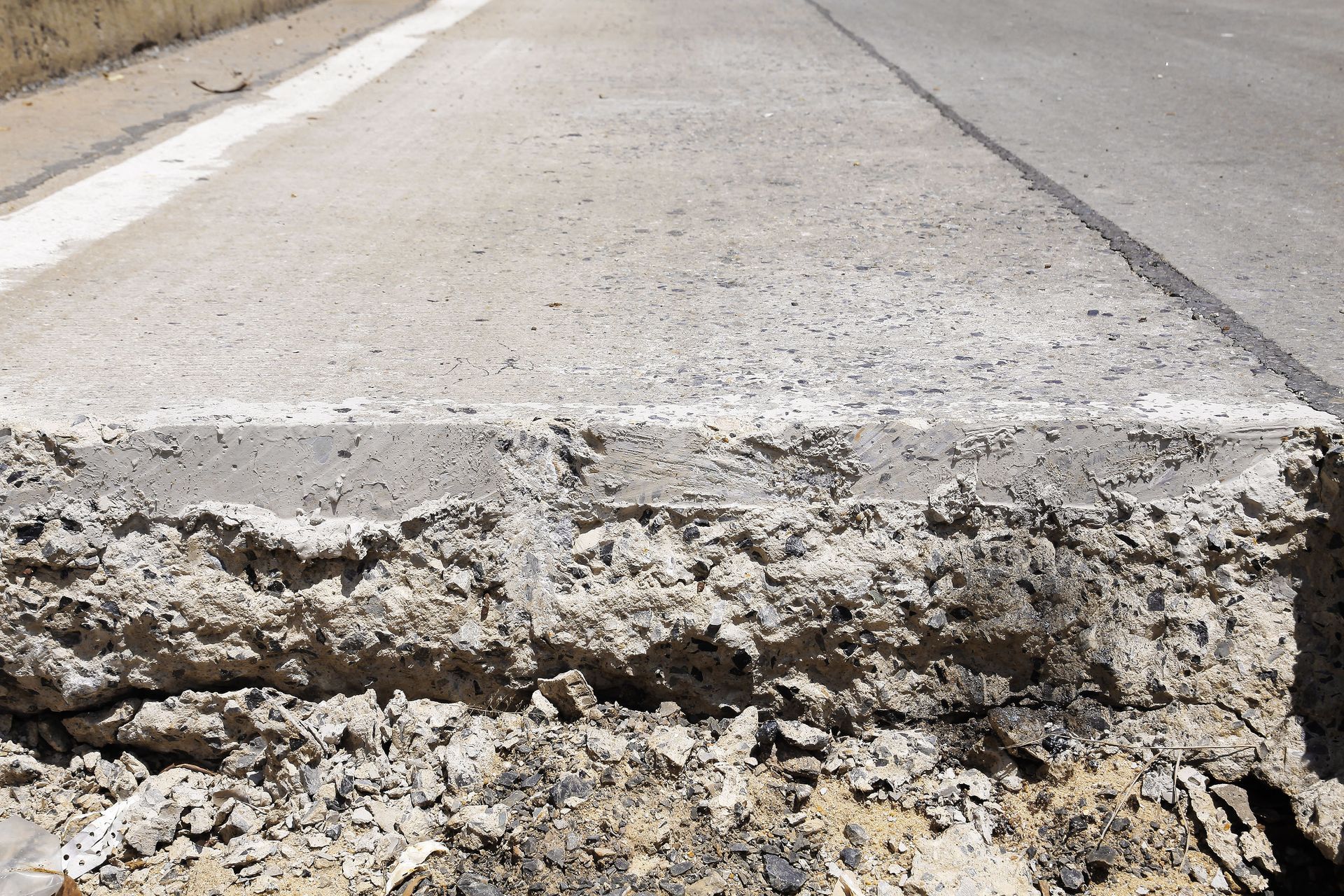
Not all cracks are created equal, and understanding their nature is crucial for timely intervention. Hairline cracks may appear superficial, but can lead to further damage if not addressed. The flaking of concrete often results from freeze-thaw cycles. Larger gaps may indicate a more profound structural issue that requires immediate attention. Each type possesses its unique challenges and should be evaluated by a professional.
Cracks in concrete often worsen over time, evolving from minor nuisances to major concerns. Small cracks can expand due to pressure, moisture infiltration, and thermal changes. As these cracks grow, they compromise the structural integrity of the patio. Timely repairs and lifting can prevent further damage and costly repairs. Regular monitoring of cracks is essential for preserving the longevity of the patio.
Concrete patios are vulnerable to weather-induced damage, leading to cracks and other structural concerns. Freezing temperatures can cause ice to expand within the concrete, exacerbating cracks. Alternating between wet and dry conditions leads to further wear and tear. These environmental factors accelerate the deterioration of patio surfaces. Considering the investment, protecting your patio from these effects is a necessity.
Improve Patio Drainage
Poor drainage is often a culprit behind patio damage, causing water to pool in uneven areas. Recognizing signs of bad drainage includes noticing persistent puddles that don’t drain properly. These signs indicate underlying issues with the patio's leveling and could lead to further complications. Addressing drainage concerns at this stage can prevent more severe damage. Ensuring proper water flow is critical for the health of your outdoor space.
Drainage problems can extend beyond the patio itself and affect adjacent structures like homes and gardens. Water buildup not only degrades the patio but also poses risks to foundations and other structural components. This additional impact emphasizes the importance of immediate drainage management. By resolving patio drainage issues, homeowners protect their entire property investment. The wider scope of potential damage underscores the significance of addressing these concerns early on.
Heavy rain events can quickly reveal drainage inadequacies in a patio setup. Persistent flooding indicates that the existing design is insufficient to handle large water volumes. This scenario not only damages the patio but can also lead to further issues, such as soil erosion. Ensuring your patio is properly leveled and has sufficient drainage can mitigate these flooding incidents significantly. Taking proactive steps to improve drainage safeguards your environment against unpredictable weather conditions.
Address Soil Erosion Promptly
Soil erosion around patios arises from various factors, both natural and human-induced. Rainfall, water runoff, and improper drainage contribute significantly to soil displacement. Over time, this erosion can cause or exacerbate uneven surfaces and affect patio stability. Human activities, such as improper landscaping, can also accelerate erosion. Understanding these causes is the first crucial step towards mitigating existing erosion issues.
Detecting signs of soil erosion is critical for maintaining a stable patio. Observing changes such as displaced soil or exposed roots can indicate ongoing erosion. These visible markers often predict further patio damage if left unaddressed. Early detection allows for timely interventions that prevent worsening conditions. Regular inspections to spot these changes are paramount to maintaining your patio’s structural health.
The stability of a patio heavily depends on the integrity of the soil beneath. As erosion progresses, the foundation weakens and leads to potential sinking or shifting. This deterioration poses a threat not only to the patio but to the safety of its users as well. Immediate action to reinforce the soil and lift the concrete is necessary to prevent costly repairs. By safeguarding the foundation, homeowners ensure the longevity and stability of their outdoor space.
Control Pests That Exploit Concrete Gaps
Patios with concrete issues often attract various pests that thrive in these environments. Termites, ants, and other insects can invade through gaps in the concrete. Recognizing these pests helps in identifying underlying problems in your patio. Their presence isn't just a nuisance but also a signal for necessary repairs. Addressing pest issues alongside concrete lifting can significantly improve the condition of your patio.
The presence of pests commonly correlates with flaws in your patio’s structure. These creatures exploit cracks and gaps, further destabilizing the concrete over time. Their activity often leads to a cycle of damage that exacerbates existing problems. Understanding this correlation helps homeowners deal with both the cause and effect simultaneously. By targeting both pests and structural issues, you ensure a comprehensive solution for your patio needs.
Finding pests within your patio usually means they’ve accessed through entry points afforded by damage. Detecting these entry points involves inspecting cracks and openings frequently overlooked during maintenance. Once identified, sealing these gaps is paramount to preventing future infestations. Addressing such issues promptly can save a significant amount on potential repairs. Maintaining a watchful eye and immediate response to these detections can preserve both the structural integrity and safety of your patio.
Correct Patio Subsidence Quickly
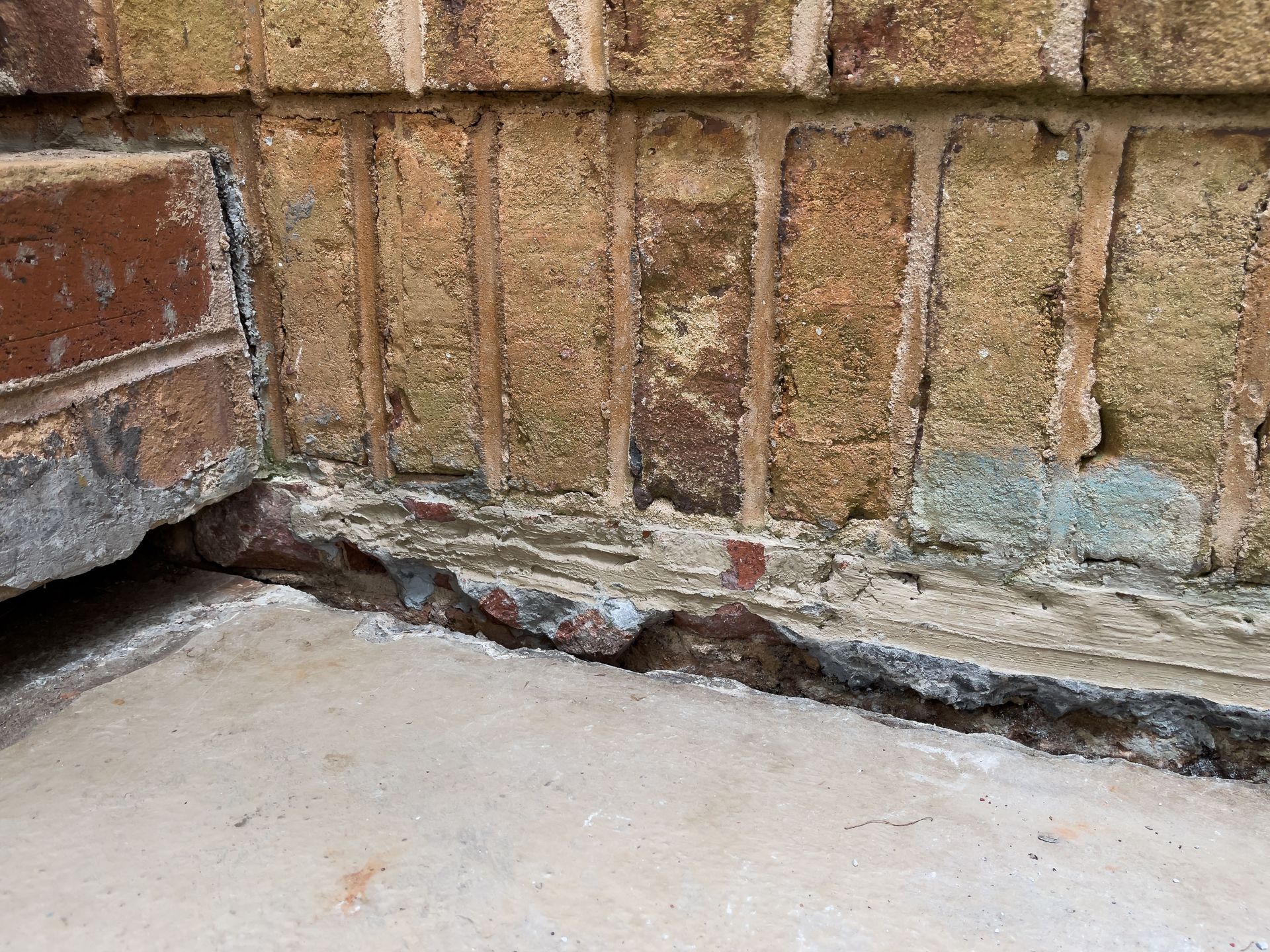
Patio subsidence, or sinking, occurs when the ground beneath fails to support the structure. Symptoms include sloping surfaces and pooling water, indicating uneven settlement. This gradual subsidence can lead to more prominent cracks and structural instability over time. Quick action is necessary to address these risks before they become costly issues. Concrete lifting is an effective remedy for restoring the level and stability of sunken patios. According to Foundation Support Specialists, concrete lifting and leveling methods cost up to 80% less than complete concrete slab replacement. However, costs may vary depending on several factors.
A sinking patio has immediate repercussions on its surroundings. The affected area may start impacting nearby structures and landscape features. Water drainage patterns change, potentially causing further erosion issues. The quickest remedy involves identifying the cause of subsidence and lifting the concrete accordingly. Addressing these effects promptly can prevent further complications and repairs.
Ensuring the longevity and safety of your concrete patio requires vigilance and timely intervention. By recognizing the signs that indicate when concrete lifting is necessary, you can take proactive steps to maintain a functional and attractive outdoor space. Regular inspections and maintenance play a critical role in preventing small issues from escalating into significant problems. If you notice any signs as outlined in this article, consider consulting a professional to discuss the best course of action for concrete lifting, ensuring your patio remains in excellent condition for years to come. Reach out to Custom Insulation & Supply Inc to learn more today.