November 3, 2026
A comfortable, energy-efficient home depends on more than its heating and cooling equipment. The building envelope, including the roof, attic, walls, and floors, helps regulate indoor temperatures and limit unwanted heat transfer. When insulation is inadequate or improperly installed, homeowners may experience uneven temperatures, higher energy bills, and increased demands on their HVAC systems.
According to WifiTalents, homes with uninsulated attics may lose approximately 20% of their heating and cooling energy. This highlights the importance of evaluating attic insulation when looking for ways to improve home efficiency. During winter, heat can escape through poorly insulated areas, while summer temperatures can make inadequately protected attic spaces particularly challenging for cooling systems.
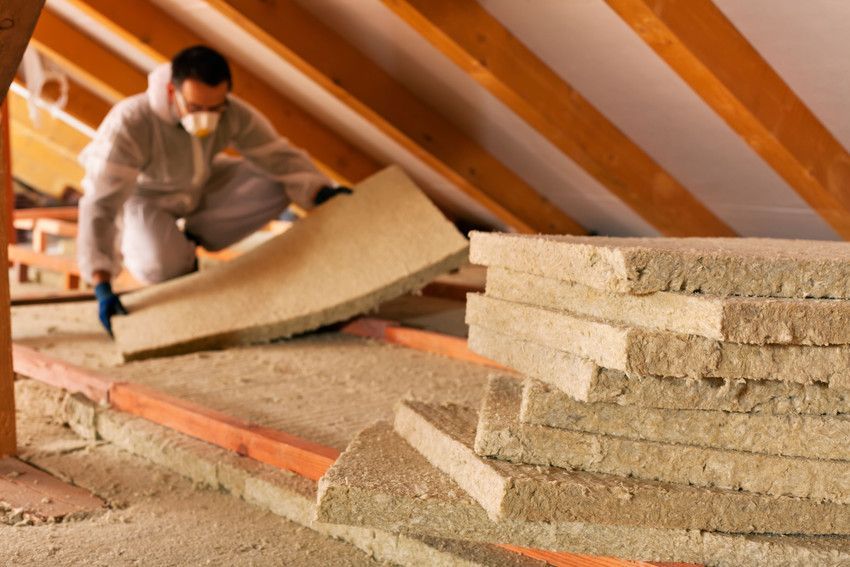
Skilled attic insulation installers help homeowners address these concerns by evaluating existing conditions, selecting suitable materials, and ensuring appropriate coverage. Professional installation also involves considering ventilation, moisture control, and air leakage. These details contribute to a home's overall performance and can help homeowners make informed decisions about improving comfort throughout the year.
Understanding How Attic Insulation Improves Home Efficiency
Insulation slows heat transfer between a home's living areas and the space beneath its roof. During colder months, it helps retain indoor heat. During summer, it limits heat moving from the hot attic into the living space. Although insulation cannot eliminate heat transfer entirely, an appropriate installation can contribute to more consistent indoor temperatures.
Insulation performance depends on several factors, including material type, thickness, condition, and installation quality. Gaps, compressed materials, and incomplete coverage can reduce effectiveness. Air leakage can also affect energy use, making it important to consider insulation alongside the home's overall air-sealing strategy.
Professional attic insulation installers evaluate these factors before recommending improvements. An older home with settled or deteriorating insulation may have different needs from a newer property with adequate existing coverage. Roof design, local climate, and the home's heating and cooling requirements also influence the appropriate solution.
When insulation performs as intended, homeowners may experience fewer uncomfortable temperature differences between rooms and reduced heating and cooling demands. Actual energy savings depend on the home's condition, HVAC efficiency, weather, and household habits, so results vary by property.
Identifying Common Signs of Insulation Problems
Insulation issues may not be visible from living areas, but uneven indoor temperatures, rising energy use, and attic conditions can signal a need for evaluation. Upstairs rooms that become too warm in summer or stay cold in winter may indicate insufficient insulation, air leakage, ductwork problems, or HVAC performance concerns.
Unusually high energy bills may also justify an efficiency assessment. Utility costs fluctuate with weather, energy rates, thermostat settings, and household occupancy. If costs remain elevated despite similar usage patterns, reviewing the home's insulation and air leakage may help identify opportunities for improvement.
Visible insulation damage, moisture, and evidence of pests are additional concerns. Wet or contaminated materials may require specialized attention before new insulation is installed. Covering an underlying problem without addressing its cause can compromise the effectiveness of an upgrade.
Experienced attic insulation installers can help homeowners determine whether existing materials need replacement, additional coverage, or further investigation. A professional evaluation helps distinguish insulation concerns from other issues that may affect home performance.
Selecting Suitable Insulation Materials
Different insulation materials offer distinct performance characteristics, installation requirements, and costs. Choosing an appropriate option requires considering the attic's layout, existing materials, desired thermal performance, and overall home-efficiency goals.
Fiberglass insulation is commonly used in residential buildings and is available in batts, rolls, and loose-fill forms. Its suitability depends on the space, the product's specifications, and the intended application. Gaps, compression, and incomplete coverage can reduce its effectiveness.
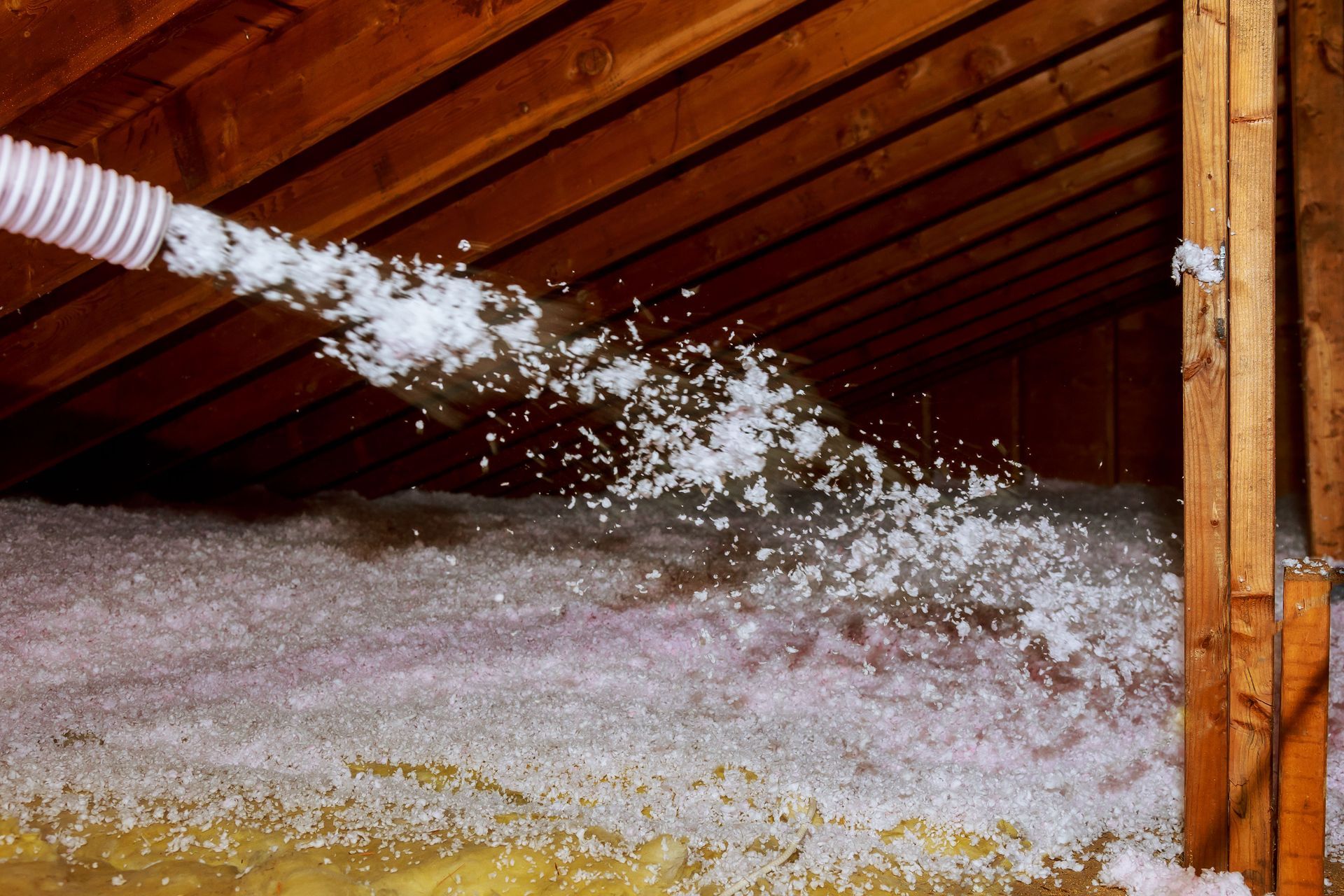
Cellulose insulation is another option, often installed as loose-fill material in attic spaces. It can accommodate irregular areas, although the attic's existing conditions and the product's installation requirements must be evaluated before selecting it.
Spray foam can provide air sealing and thermal performance, but its suitability depends on building design, ventilation, and installation requirements. Homeowners should also consider local climate recommendations and building codes. Comparing insulation materials based on performance, suitability, and installation needs, rather than price alone, can help guide informed decisions with professional advice.
Evaluating Installation Quality and Building Details
Insulation effectiveness depends on more than the material selected. Proper installation requires attention to framing, attic access points, and areas where indoor air may escape into unconditioned spaces. Even when most of an attic is covered, overlooked gaps can reduce overall performance.
Air sealing is an important related consideration. Openings around plumbing penetrations, wiring, attic hatches, and other transitions may allow conditioned air to escape. Appropriate air-sealing measures depend on the location and nature of each opening, along with applicable fire-safety and building requirements.
Ventilation also deserves careful consideration. Many attic designs rely on specific airflow pathways to manage heat and moisture. Blocking intended vents with insulation or changing the attic's configuration without evaluating the entire system can create problems.
Skilled attic insulation installers account for these details when assessing a property. Reviewing the attic before work begins helps identify obstacles, existing deficiencies, and conditions that may need attention. This preparation supports a more appropriate installation plan and reduces the likelihood of overlooking important areas.
Managing Moisture and Ventilation Concerns
Moisture control is essential to long-term home performance. Warm indoor air can carry moisture into attic spaces through air leaks. If that moisture encounters sufficiently cold surfaces, condensation may occur. Roof leaks and other sources of water intrusion can also damage attic materials.
Adding insulation without addressing an existing moisture problem may allow damage to continue. Wet insulation can lose effectiveness, while persistent dampness may contribute to material deterioration or mold growth. The source of moisture should be identified and addressed before affected materials are covered or replaced.
Attic ventilation needs depend on roof design and moisture conditions. Insulation, airflow, and air control should work together to support building performance. A professional assessment can identify moisture intrusion, blocked vents, or other concerns before installation, helping homeowners make informed decisions and protect the building envelope over time.
Preparing the Home for Seasonal Temperature Changes
Seasonal weather can reveal weaknesses in a home's insulation. During winter, inadequate insulation may allow heat to escape more readily. In summer, high attic temperatures can increase heat transfer into living areas, making appropriate insulation an important part of the home's cooling strategy.
Planning improvements before the coldest or warmest months can provide more time to evaluate the property, compare materials, and schedule installation. Early planning may also help homeowners address concerns before extreme weather makes indoor comfort more difficult to maintain.
Regional climate influences insulation requirements. Homes experiencing cold winters and warm summers need solutions suited to changing temperatures throughout the year. Recommended insulation levels should reflect local conditions, building requirements, and existing construction rather than a universal target.
Professional attic insulation installers can evaluate how existing insulation aligns with the home's needs. An appropriate upgrade may improve comfort across seasons, although the extent of the benefits depends on the property's design, insulation condition, and overall energy performance.
Assessing the Long-Term Value of Insulation Improvements
Insulation upgrades can form part of a broader home-efficiency strategy. Although upfront costs matter, homeowners may also consider potential improvements in comfort, energy consumption, and HVAC workload. The value of an upgrade depends on existing conditions, project scope, material selection, and the home's overall performance.
Properties with little existing insulation or substantial coverage gaps may have more opportunity for improvement than homes with adequate, well-maintained materials. An assessment helps establish realistic expectations and identify whether insulation should be addressed alongside air sealing or ventilation improvements.
Homeowners should avoid assuming that a particular project will guarantee a specific percentage of energy savings. Weather, utility rates, thermostat settings, equipment condition, and household routines all influence energy use. A qualified professional can explain the potential benefits of an improvement without promising results that cannot be assured.
Choosing appropriate materials and ensuring proper installation can help homeowners make informed decisions about maintaining a comfortable, efficient property. With a solution tailored to the home's conditions, insulation improvements can support performance throughout the year.
For help evaluating insulation options and improving your home's energy performance,
contact Custom Insulation & Supply Inc to discuss your insulation needs with the team.